Prostate Cancer Screening: PSA Home Blood Test
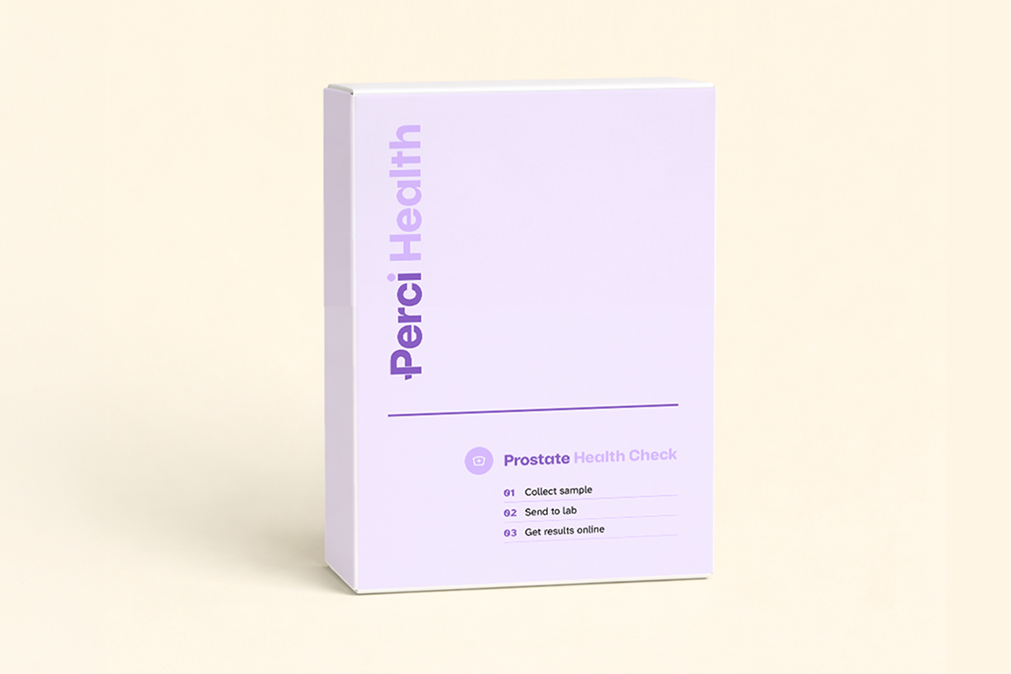
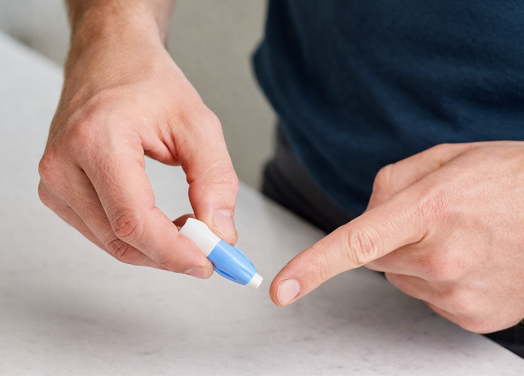
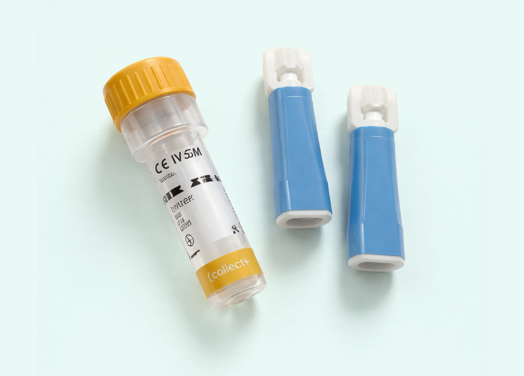
- Simple finger prick blood test
- Delivered to your door
- Results within five working days
Why screen for prostate cancer?
Prostate cancer is the most common cancer in men in the UK, affecting around 1 in 8 men during their lifetime. In its early stages, prostate cancer usually causes no symptoms, which is why screening matters.
What is a PSA test?
A PSA test measures the level of Prostate Specific Antigen — a protein made by cells in the prostate gland — in your blood. It’s normal for men to have some PSA in their blood, but higher levels can indicate a problem with the prostate.
What’s included
- Finger-prick lancet(s) (usually 2–3 in case one doesn’t work)
- A small tube to collect the blood
- Alcohol wipe(s)
- Plaster/bandage
- Biohazard bag for the sample
- Pre-addressed return envelope
- Tube label
- Laboratory form
- Instruction leaflet
How it works
1. Order your kit — we’ll post it to you
2. Collect your blood sample — a quick finger-prick at home
3. Post it back — using the pre-addressed envelope provided
4. Get your results — within five working days straight into your Perci Health record
What your results mean
Normal result: This means your PSA level is within the expected range for your age and no further action is needed.
Abnormal result: This means your PSA level is higher than expected. You’ll be invited for further investigation. This doesn’t mean you have cancer — many abnormal results are due to other conditions, like an enlarged prostate.
Important information
This test is currently only available to members based in the UK.
To get the most accurate reading, avoid doing the test if you’ve recently:
- Done vigorous exercise within 48 hours
- Cycled within 48 hours
- Ejaculated within 48 hours
- Had a prostate examination (wait one week)
- Had a urinary catheter or cystoscopy (wait several weeks)
- Had a urine infection (wait until fully cleared)
These can temporarily raise PSA levels and give a false reading.
The best time of day to complete your test is in the morning as your hands are often warmer after sleep, or you can choose a time when you’re relaxed and not rushed.
Where possible, please post your sample back on a Monday–Thursday. Avoid posting on Fridays, weekends, or UK public holidays to prevent potential postal delays.
Please check whether cancer screening is already included in your workplace benefits before proceeding.
FAQs
If any of your screening results come back as abnormal, we would like your permission to share a brief clinical summary with your registered GP.
What we share: A short, secure summary of the abnormal result only — nothing more. We will never share your full Perci Health record with your GP without your specific consent.
Why it matters: Your GP is responsible for your ongoing primary care. Without this information, they cannot arrange follow-up tests, make referrals, or factor your result into future care decisions. Delaying sharing an abnormal result can affect your health outcomes.
If you say no: We will respect your choice. However, please be aware that:
- Your GP will have no record of the result and cannot initiate follow-up care
- It will be your responsibility to share the result with your GP and arrange next steps
- For some results, prompt action is clinically important — we encourage you to speak with a member of our nursing team if you are unsure
You are in control: You can change your preference at any time by contacting us at hello@percihealth.com.
For more information on how we handle your data, please see our Privacy Policy.